

ChatGPT can hand work off to other software now. Ask it for a launch graphic and Canva builds one. Ask for a week of dinners and Instacart fills a cart you can check out without leaving the chat. That’s what ChatGPT apps are: services you connect inside ChatGPT and then call by name.
Most roundups on this topic just list AI tools that happen to run on GPT. This one sticks to apps that actually work within the ChatGPT interface, how to switch them on, and which ones earn the connection.
What counts as a ChatGPT app, and what doesn’t
An app is an integration. It connects an outside service to ChatGPT through a secure API, so you describe a job in the chat and another product carries it out. The result lands back in the conversation instead of in a separate tab.
Jasper, Grammarly and Notion AI are not ChatGPT apps. They’re separate products that happen to run on GPT models underneath. Useful tools, but you can’t reach them from the ChatGPT composer, and that distinction is the whole point here.
Underneath, apps are built on the Model Context Protocol. OpenAI’s Apps SDK sits on top of MCP servers, which is why a well-built integration can often be reused across different AI clients rather than being locked to one vendor.
Switching apps on inside ChatGPT
Connecting one takes about a minute. The step people rush past is the permissions screen, which is the only step that really matters.
-
Step 1 of 7
Open the Tools menu in ChatGPT
Apps sit alongside the other tools in the message composer. If you don’t see them, your plan or region probably hasn’t got them yet.
-
Step 2 of 7
Browse the app directory
Look at what’s actually available in your account rather than what a blog post claims exists. This list moves fast.
-
Step 3 of 7
Connect the app and read the permissions
This is the screen everyone clicks straight through. It spells out what the app can see and do with your data. Read it properly.
-
Step 4 of 7
Call the app by name with @
Type @Canva or @Zapier mid-sentence and describe what you want, the same way you’d ask a colleague who already knows the context.
-
Step 5 of 7
Or just describe the task
You don’t always need the @ mention. Say what you’re trying to do and ChatGPT can pull in a relevant app on its own.
-
Step 6 of 7
Check what it actually did
Apps hand off to the real product. Open the Figma file, the cart or the booking and confirm it before you treat the job as finished.
-
Step 7 of 7
Disconnect anything you stopped using
Every connected app is a standing permission on your account. Prune the list every few months.
One caveat before you go shopping. Availability shifts by plan and by region, and it has changed more than once since launch. If an app below isn’t in your menu, that’s usually why.
The ChatGPT apps worth connecting
Nine have made a real case for themselves so far. Short version first.
| App | What it does in the chat | Best for |
|---|---|---|
| Canva | Builds graphics, posts and presentations from a prompt | Marketing visuals |
| Figma | Turns a described flow into an editable diagram | Flow charts and early design |
| Adobe Photoshop | Edits an uploaded image from a plain-English instruction | Quick retouching |
| Zapier | Sets up automations across 8,000+ connected services | Wiring tools together |
| HubSpot | Surfaces CRM data and drafts copy with your context | Sales and marketing teams |
| SlidesGPT | Generates decks you can export to PowerPoint or Slides | First-draft presentations |
| Instacart | Turns a meal plan into a shopping cart you can check out | Grocery runs (US) |
| Skyscanner | Conversational flight search with live results | Trip research |
| Komoot | Suggests hiking and cycling routes, opens them in the app | Route planning |
Canva, for turning a prompt into a usable graphic
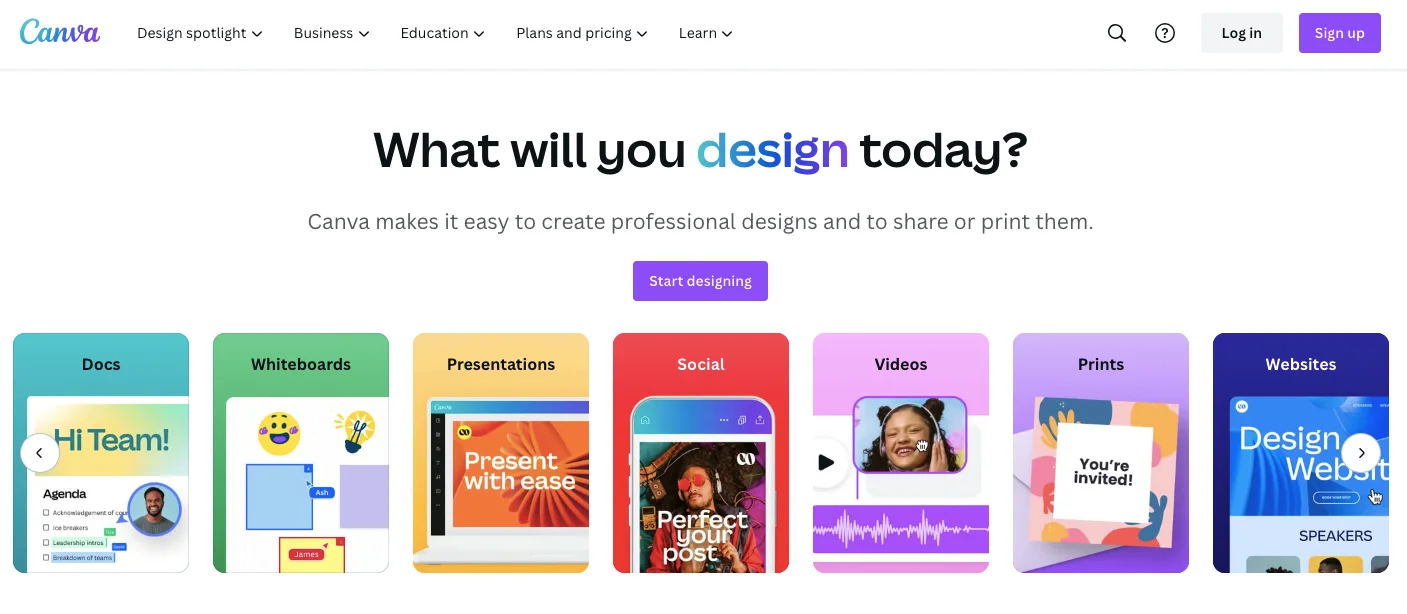
Ask for an Instagram post or a short deck and Canva builds it without you leaving the conversation. This is the app most people will genuinely use every week, because “make me a graphic” used to mean twenty minutes of fiddling with templates. Treat the output as a starting point rather than a finished design. Our full Canva review covers the standalone editor in depth.
Figma, when a messy idea needs to become a diagram
Describe a process out loud and it comes back as a flow chart you can open and edit in Figma. It’s handy at the stage where you’re still thinking, and switching to a canvas tool would break your train of thought.
Adobe Photoshop for edits you can describe faster than you can click
Upload an image, say what should change, let it handle the edit. The appeal is skipping the toolbar entirely for small jobs. It won’t replace layered composite work, and it isn’t trying to.
Zapier builds the automation while you explain it
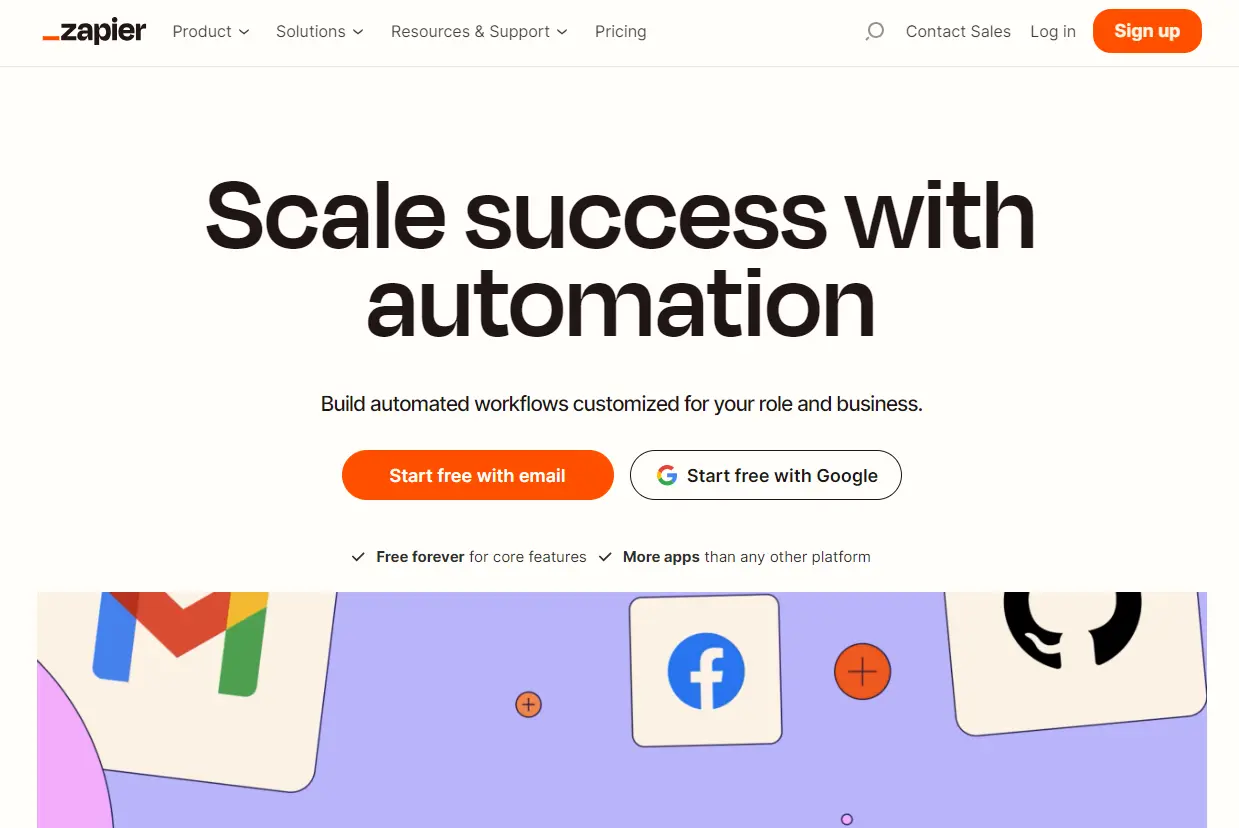
Zapier’s app lets you wire up workflows across its 8,000+ connected services by describing what should happen when. It’s the most powerful thing on this list and the easiest to over-trust, so read the triggers before you switch anything live. If you’re weighing up platforms, our roundup of workflow automation tools compares the main options.
HubSpot, for asking your CRM a plain question
Pull up deal and contact data, or draft marketing copy that already knows your business context. It’s the clearest example of an app that gets better the more of your data lives in one system. Not much use if your CRM is a spreadsheet.
SlidesGPT when the deck is due in ten minutes
Hand it a topic or your rough notes and it produces slides you can export straight to PowerPoint or Google Slides. The output is unpolished. Unpolished still beats a blank file at 9pm.
Instacart turns a meal plan into a full cart
Ask for a week of dinners for four, get the recipes and the shopping list, then check out inside the conversation. Of everything here, this is the one that shows most clearly where the whole idea is heading. US-focused for now.
Skyscanner, flight search without twelve tabs
Describe the trip in a sentence, including the vague parts like “somewhere warm in March”, and get live flight results back. Far more pleasant than fighting a booking site’s filters.
Komoot for planning a route worth riding
Say what kind of ride or hike you’re after and it suggests routes that open in the Komoot app. Niche, obviously. It’s also genuinely good at the one thing it does, which is more than some of the bigger names manage.
So what happened to ChatGPT plugins?
Plugins came first and were wound down once apps arrived to do the job properly. The naming hasn’t entirely caught up: OpenAI’s own developer documentation still routes new submissions through what it calls a plugin submission portal, even though what you’re submitting is an app.
So if plugins are what you searched for, apps are what you want. And if you’d rather keep automations outside the chat entirely, a dedicated platform remains the sturdier choice. Our n8n review looks at one of the better self-hosted options.
What to check before you connect anything
Permissions. Connecting an app grants standing access to whatever that screen lists. For Canva that’s low stakes. For HubSpot or Zapier it’s your customer data and your live automations, so slow down and read it.
Plan and region. Don’t assume a missing app means you did something wrong. Access has been rolled out unevenly and adjusted since.
Depth. Every app here is a front door, not the full product. That’s fine when you know it going in and frustrating when you don’t. Open the file, the cart or the booking and check it before you call the job done.
Frequently Asked Questions
What exactly is a ChatGPT app?
An integration that connects an outside service to ChatGPT through a secure API. You describe the job in the chat, the app carries it out, and the result lands back in the conversation. A standalone AI writing tool is not a ChatGPT app just because it runs on GPT models underneath.
How do I use an app inside ChatGPT?
Connect it once from the Tools menu, then call it by name with an @ mention, like @Canva make me a launch graphic. You can also just describe the task and let ChatGPT pick the app for you.
What happened to ChatGPT plugins?
The original plugin beta was wound down and apps took over the job. The old wording lingers, though: OpenAI’s own developer docs still route new submissions through a plugin submission portal. If you searched for plugins, apps are what you actually want.
Are ChatGPT apps free to use?
Access depends on your ChatGPT plan and your region, and it has shifted more than once. Check the Tools menu in your own account rather than trusting any list. The app itself may also need its own paid account, which is the case with Canva and HubSpot.
Can ChatGPT apps see my data?
Yes, within the permissions you grant when you connect them. That is the trade for letting an app act on your behalf. Read the permission screen, connect only what you genuinely use, and disconnect the rest.
Can I build my own ChatGPT app?
Yes. OpenAI’s Apps SDK is the official framework, and it runs on MCP servers, the same open standard much of the AI tooling world has settled on. If you can build an MCP server, you can build a ChatGPT app.
Is a ChatGPT app as good as the full product?
Usually not, and it helps to expect that. Treat the app as a fast front door. Canva inside ChatGPT will rough out a graphic in seconds, but you will still open Canva itself to finish it properly.
The bottom line
ChatGPT apps are worth setting up, but connect two or three rather than all of them. Canva and Zapier earn their spot for almost everyone. Add HubSpot or Figma if you already live in those tools. The rest can wait until you have a specific reason.
Two things worth carrying with you: every app you connect inside ChatGPT is a standing permission on your data, and each one is a shortcut into the real product rather than a replacement for it. Verify the output before you act on it.
If you came here looking for ChatGPT plugins, apps are the current answer. And if you’d like to build one, OpenAI’s Apps SDK runs on MCP servers, so start by understanding the protocol before you write any code.