

You built a page you were proud of, then PageSpeed Insights handed you a 42 on mobile. Page builders do that.
GreenShift is the answer for people who refuse to make that trade. It is a Gutenberg page builder that loads no jQuery, no icon fonts and no framework, generating CSS on the fly only for the blocks a page actually uses. We have run it on live sites. Here is what it does brilliantly, and what will annoy you in week two. For the wider field, see our roundup of Gutenberg blocks plugins.
Quick verdict
GreenShift is the most capable performance-first block suite on the market, and the free version alone beats most paid competitors. The price you pay is in the interface. Its inspector panels are dense, the naming is inconsistent, and the documentation lags behind the release schedule. If you enjoy fiddling, that is a fair trade. If you want to hand a site to a client who edits their own pages, it is not.
Best for: developers, technical bloggers and affiliate publishers who care about Core Web Vitals and are comfortable in the block editor.
Not ideal for: beginners, and agencies handing over sites to non-technical clients. Elementor is easier to teach.
Our full score, pros and cons sit in the review box below.
GreenShift at a glance
- Product
- GreenShift, by WP Soul (the REHub theme team)
- Official Website
- greenshiftwp.com
- Category
- Gutenberg block suite and page builder
- Our Rating
- Starting Price
- $39.99/year (Design Pack, 1 site) or $79.99 lifetime
- Free Version
- Yes the core plugin on WordPress.org is genuinely full-featured
- Active Installs
- 70,000+ with a 4.8 rating on WordPress.org (July 2026)
- Standout Features
- Conditional asset loading, interaction layers, query loop builder, Figma import
- Editor Support
- Block editor and full site editing only, no classic editor
- Best For
- Publishers and developers chasing fast pages without giving up design control
We may earn a commission when you buy through links on this page. This does not affect our reviews.
One plugin, or five?
This confuses people, so let us clear it up. GreenShift ships as a free core plugin plus separate add-ons for advanced animation, marketing blocks, charts and query loops. The free core is not a crippled demo. It carries containers, CSS grid, four breakpoints, animations, popups, sliding panels, carousels, countdown and counter blocks, and the Figma importer.
You buy a licence for the template library, the add-on blocks and support. Plenty of sites run the free build for years and never need more.
The blocks that actually change how you build
Global settings and design tokens
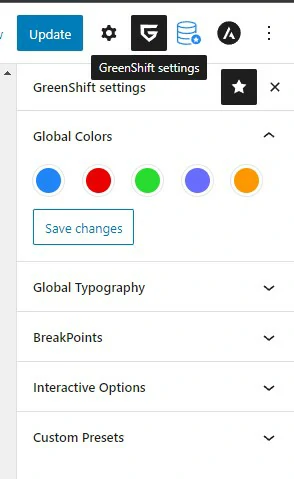
Colours, typography, breakpoints and presets live in one panel and cascade everywhere. Change a brand colour once and the whole site follows. This is table stakes in Figma and still rare in WordPress.
Templates and saved sections
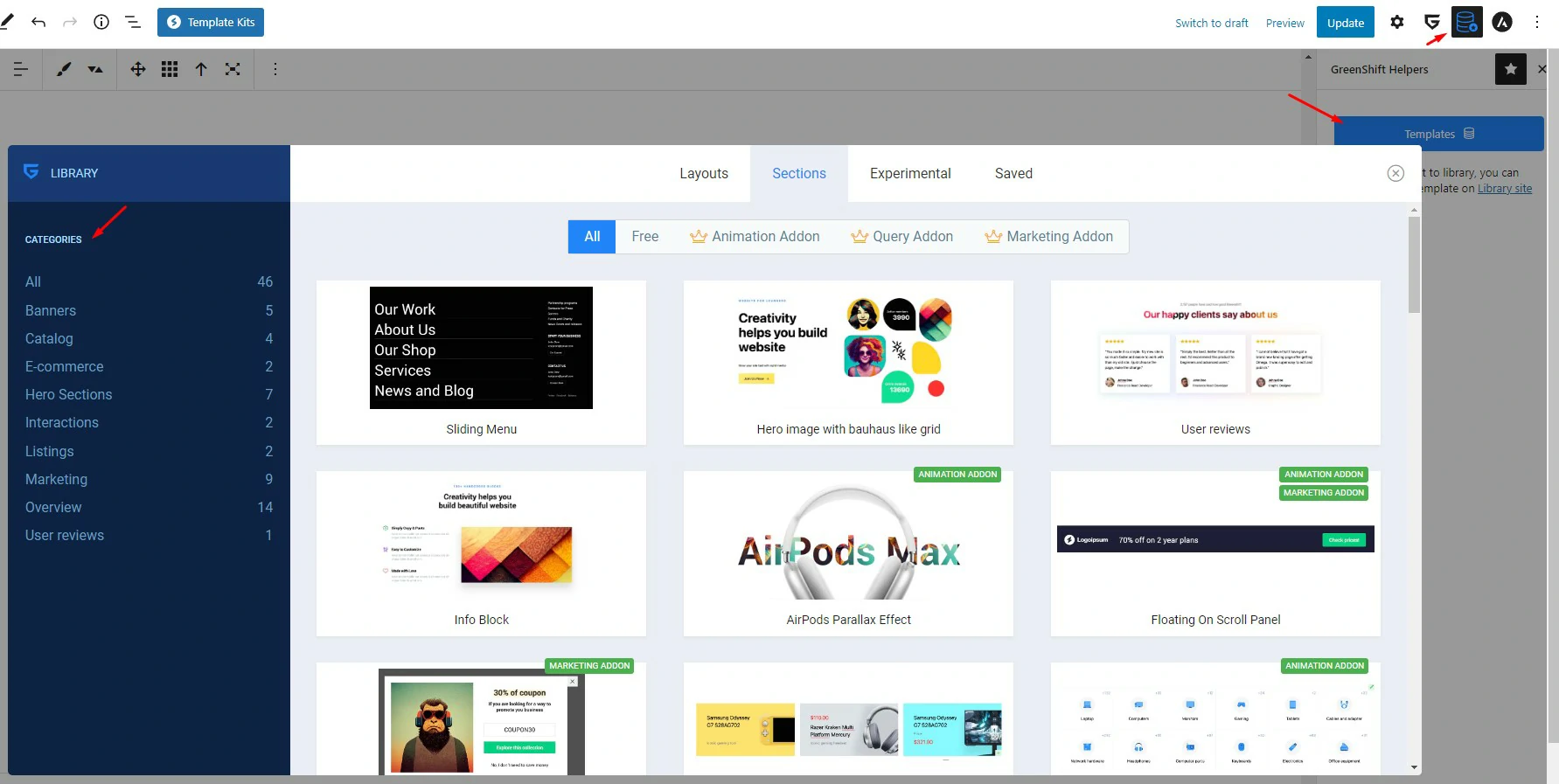
Banners, hero sections, catalogues, pricing tables. Insert one, restyle it, save your own version back to the library. The templates need an active licence, and quality varies: some are excellent starting points, some look like 2019.
CSS grid and flexible containers
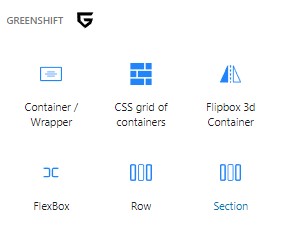
Turn any block into a flex or grid container, split and merge columns, set gaps, and control all of it per breakpoint. It is the closest thing WordPress has to writing layout CSS without writing layout CSS.
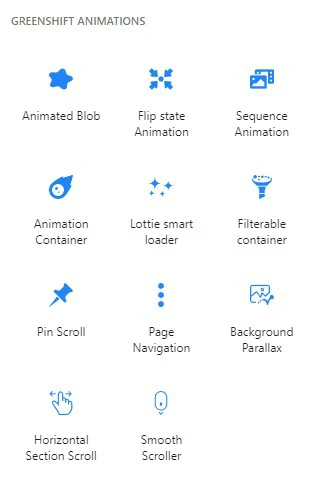
Animations and interaction layers
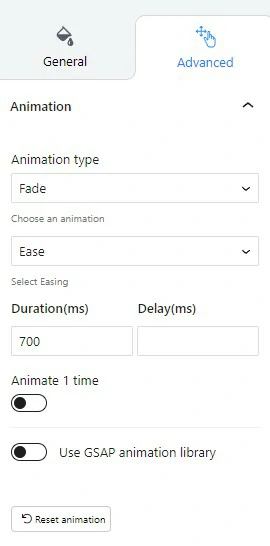
Every transform property is exposed: opacity, origin, delay, duration, scroll and hover triggers. The clever part is parent-triggered hover, so hovering a card can reveal a button nested three levels down. Most block plugins only animate the element you selected.
Warning: just because you can animate everything does not mean you should. Scroll-triggered movement on every section is the fastest way to make a fast site feel slow.
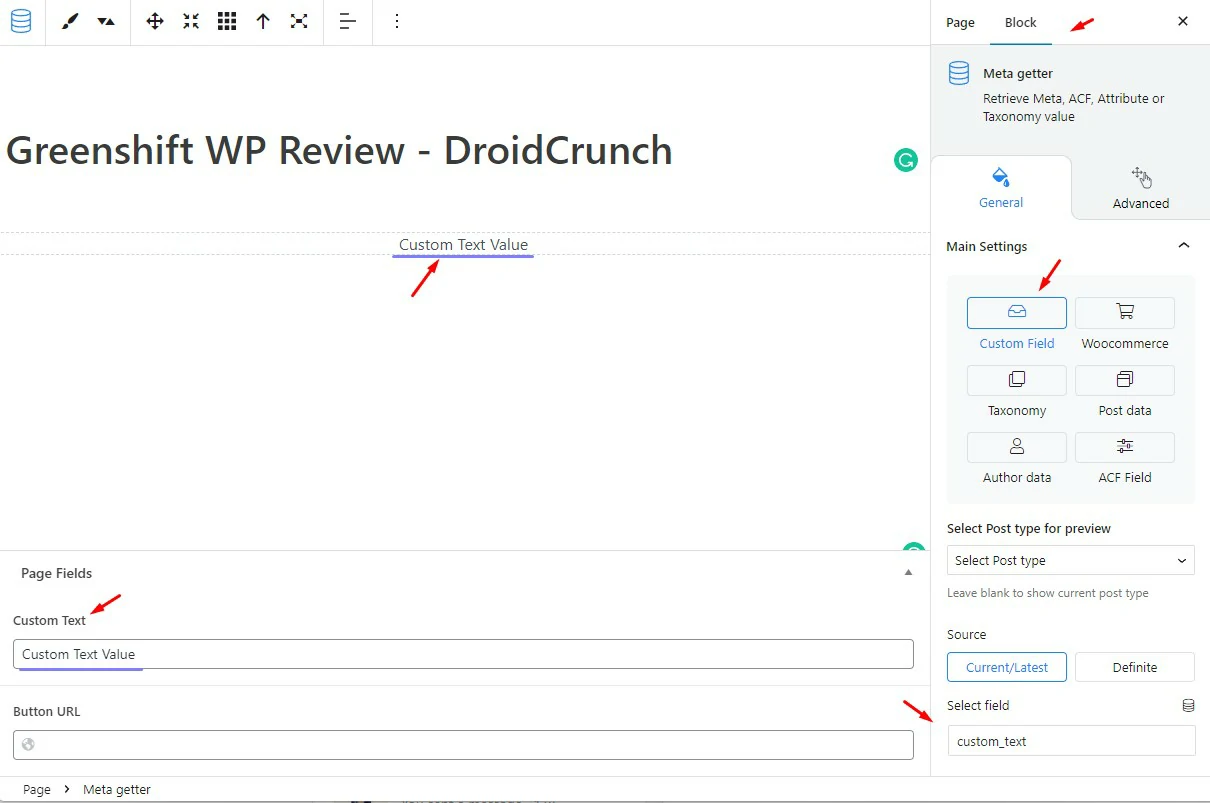
Meta getter and dynamic content
Pull ACF fields, post meta, author data or taxonomy terms into any block, including ACF repeater subfields, then style and animate the output. Combined with the query loop builder, this is what lets you build a real dynamic archive without touching a PHP template.
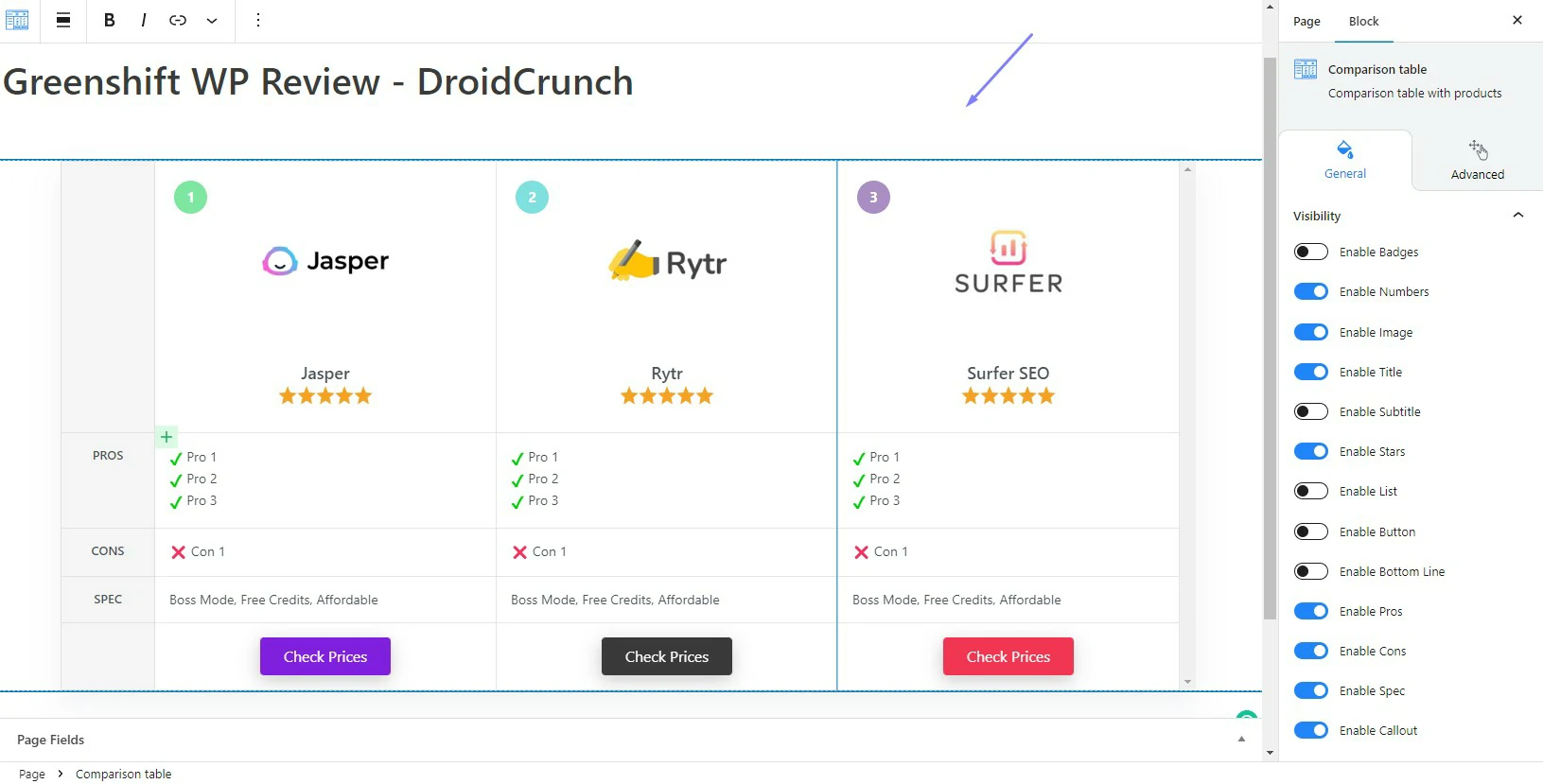
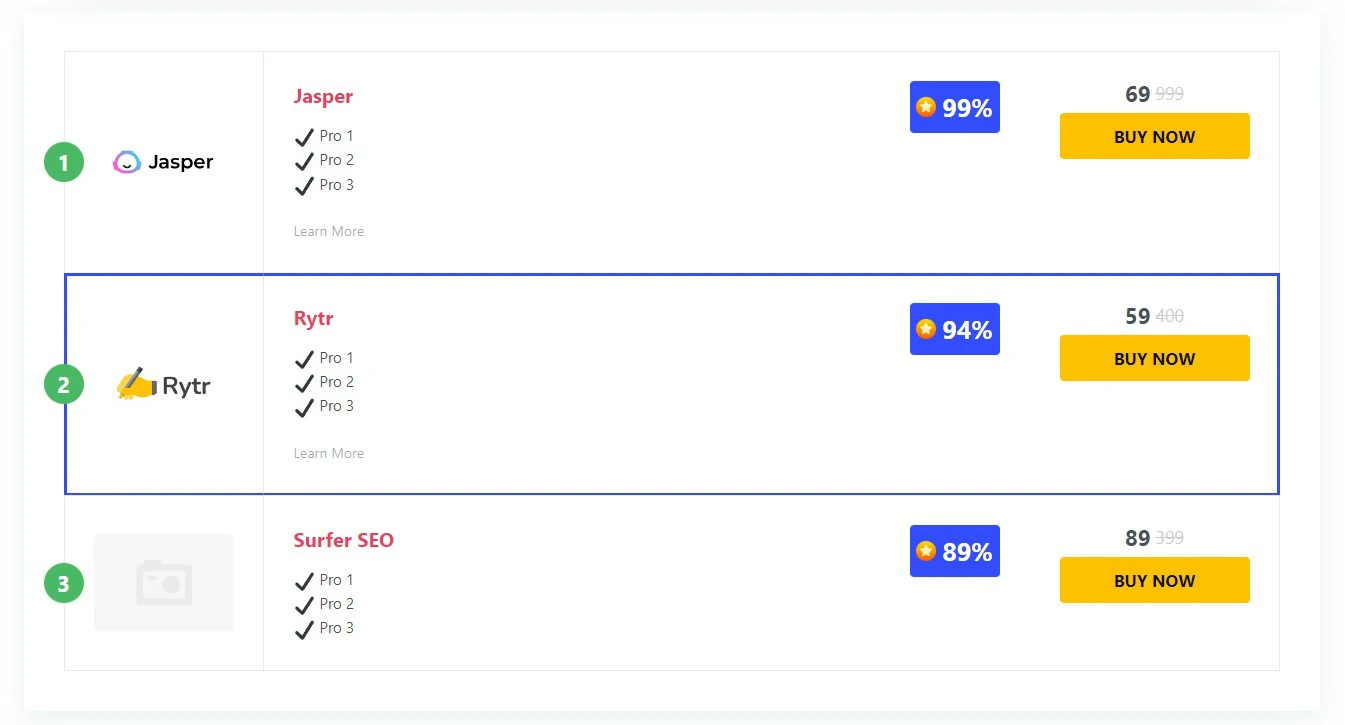
Comparison tables and listing builder
These two are aimed squarely at affiliate publishers, which makes sense given WP Soul also builds REHub. The comparison table handles product images, badges, specs, pros and cons and buttons. The listing builder produces ranked listicle entries with optional review scores.
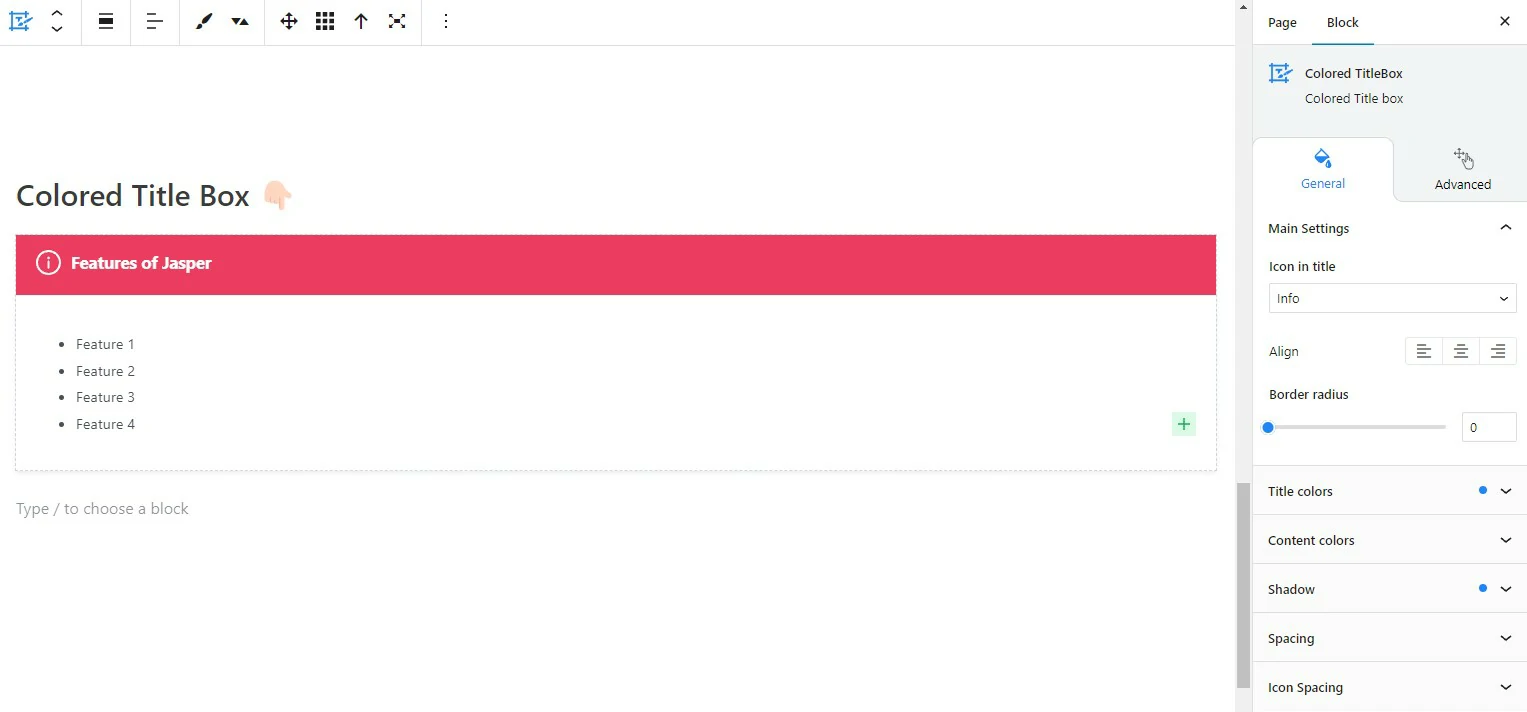
Coloured title box
A small block that gets used constantly. Callouts with an icon, border radius, shadow and spacing controls, useful for the warning and tip boxes that break up long articles.
Does it really keep your Core Web Vitals?
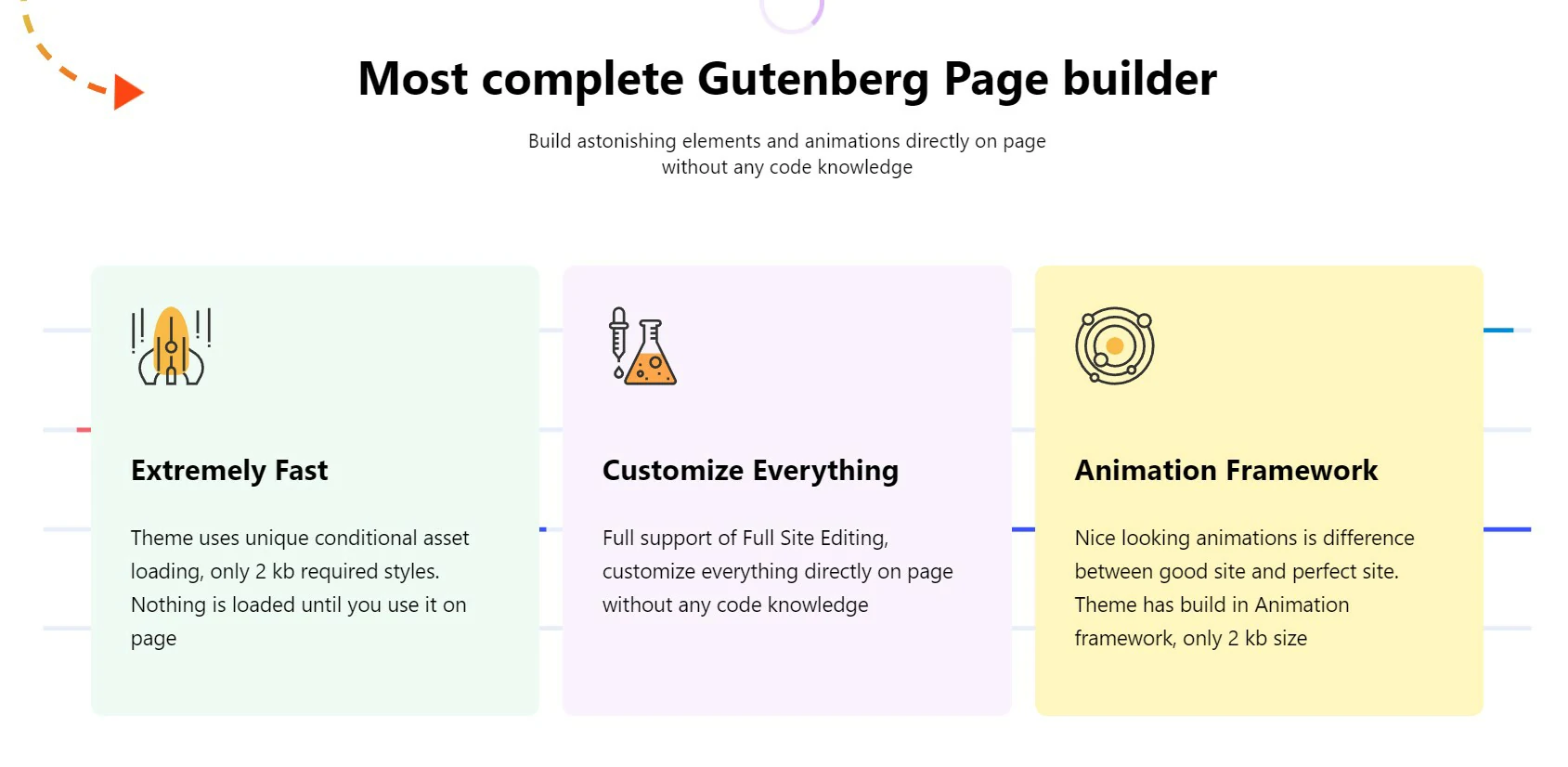
Mostly, and for a reason you can verify yourself: view source. There is no jQuery, no bundled icon font, no framework CSS file loaded on every page. Styles are generated per block and inlined, and scripts load conditionally when a block that needs them is present. Ajax loading on view, click or hover lets you defer heavy sections entirely.
Here is the honest caveat the marketing skips. GreenShift removes the page builder as a cause of poor scores. It does not fix a slow host, an unoptimised theme, uncompressed hero images or six other plugins loading their own assets. We have seen GreenShift pages score in the nineties and we have seen them score in the fifties, and the difference was never the plugin.
Where GreenShift frustrates people
The learning curve is real. Every block exposes dozens of controls across several tabs. Power is the point, but a first session with GreenShift feels like opening a DAW when you wanted a voice recorder.
Documentation trails the releases. The plugin ships updates fast. Docs and videos do not always keep pace, so you will occasionally find a control that no article explains. The Facebook group and the WordPress.org forum fill the gap, and the developer answers quickly, but that is a workaround rather than a fix.
Editor performance dips on complex pages. The query loop builder in particular can feel sluggish once a page has a lot of nested dynamic blocks.
Block editor only. No classic editor support, and migrating an existing Elementor or WPBakery site means rebuilding pages by hand. The reusable-template shortcodes let you drop GreenShift sections into another builder, which softens the transition without removing the work.
Lock-in cuts both ways. Deactivate GreenShift and your pages fall back to raw block markup with the styling gone. That is true of every builder, but worth saying out loud before you rebuild a hundred pages.
GreenShift pricing
Single-site prices, checked July 2026
- Included: Containers, CSS grid, 4 breakpoints
- Included: Animations, popups, carousels
- Included: Figma and web page importers
- Not included: Template library
- Not included: Priority support
- Included: Full template library
- Included: Advanced animation add-on
- Included: Query loop builder
- Not included: WooCommerce blocks
- Included: 1 site licence
- Included: Full template library
- Included: WooCommerce product blocks
- Included: Dynamic product loops
- Not included: Design pack blocks
- Included: 1 site licence
- Included: Every add-on and block
- Included: Full template library
- Included: WooCommerce plus design packs
- Included: Priority support
- Included: 1 site licence
Every paid pack also sells as a one-time lifetime licence: Design Pack $79.99, Woo Pack $89.99, GreenLight PRO $99.99, All in One $109.99. Five-site and unlimited tiers cost more. If you plan to keep the site beyond two years, the lifetime option is the cheaper route.
We may earn a commission when you buy through links on this page. This does not affect our reviews.
Our value judgment: All in One at $109.99 once is the pick. It costs less than two years of Elementor Pro Essential and you never renew. Buying the Design Pack first and upgrading later works too, since GreenShift credits what you already paid. Skip the yearly billing unless you genuinely only need the plugin for one project.
GreenShift against the obvious alternatives
| Feature |
The Plus BlocksFree plus paid tiersBest for: Volume of ready designs |
Elementor ProFrom $49/yrBest for: Client sites and beginners |
|
|---|---|---|---|
| Runs on native Gutenberg | Yes | Yes | No |
| Loads jQuery | No | No | Yes |
| Conditional asset loading | Yes | Yes | No |
| Lifetime licence option | Yes(winner for this row) | Yes | No |
| Usable free version | Yes | Yes | Yes |
| Beginner friendly | No | Somewhat | Yes(winner for this row) |
| Ecosystem size | Small | Medium | Huge(winner for this row) |
We may earn a commission when you buy through links on this page. This does not affect our reviews.
If you want the widest template library in the Gutenberg world, read our The Plus Blocks for Gutenberg review. If you would rather stay with the builder your clients already know, our Elementor review lays out that trade honestly. Our take: GreenShift wins on performance and on lifetime cost, Elementor wins on how quickly somebody else can learn it.
Frequently Asked Questions
Is the free version of GreenShift enough for a real site?
For a blog or a small business site, yes. The WordPress.org build includes containers, CSS grid, four breakpoints, animations, popups, carousels, counters and the Figma importer. What you give up is the template library, the add-on blocks such as charts and advanced query loops, and priority support. Start free and buy only when you hit a wall.
Do I have to give up my current theme to use GreenShift?
No. It works with any standards-compliant theme, though a lightweight block theme or a full site editing theme gets you the most benefit. Pairing it with a heavy multipurpose theme that loads its own framework CSS cancels out most of the performance advantage.
What happens to my pages if I stop paying?
The blocks keep working and your pages keep rendering. You lose access to updates, new templates and support. That is different from deactivating the plugin, which strips the styling and leaves you with bare block markup, so keep it installed even if you let a licence lapse.
Can GreenShift replace Elementor on an existing site?
Only by rebuilding. There is no importer that converts Elementor layouts to GreenShift blocks. What you can do is build new pages in GreenShift while old ones stay on Elementor, then migrate gradually. Running both permanently is possible but you pay the asset cost of two builders.
Does GreenShift work with ACF and custom post types?
Yes, and this is one of its stronger areas. The Meta Getter block reads ACF fields including repeater subfields, post meta, author data and taxonomy terms, and the query loop builder can drive custom post type archives with your own item template.
Is the lifetime licence actually worth it?
If the site will outlive two years, yes. All in One is $109.99 once against $59.99 a year, so it breaks even partway through year two. The risk with any lifetime deal is the vendor disappearing, and WP Soul has shipped consistently since 2021 with a heavily used commercial theme behind it. We would take the bet.
Will GreenShift slow down my WordPress admin?
A little, on complex pages. The editor loads a lot of controls, and pages with many nested dynamic blocks or a busy query loop can feel sluggish while editing. The front end is unaffected. If your admin already crawls, that is usually a hosting or memory-limit problem rather than the plugin.
The bottom line
GreenShift is the block suite we recommend to anyone who has ever watched a page builder wreck their PageSpeed score. Nothing else in the Gutenberg space combines this much design control with this little front-end weight, and the free version is a serious product rather than a teaser.
Buy the All in One lifetime licence if you are building your own sites and you care about Core Web Vitals. Stay on Elementor if you hand finished sites to clients who edit their own pages, because the support burden will cost you more than the licence saves. And whichever you choose, install it on a staging copy first: GreenShift rewards patience, and week one is the frustrating one.
Pricing checked July 2026 on the official site. Some links here are affiliate links and may earn us a commission at no cost to you, which does not affect our score.
The Review
GreenShiftWP
GreenShift is the most capable performance-first block suite for Gutenberg, and the free core alone outdoes most paid competitors. Pages stay light because it ships no jQuery, no icon fonts and no framework CSS. The trade-off is a dense interface and documentation that trails the releases, so it suits builders more than beginners.
PROS
- No jQuery, no icon fonts, no framework CSS, so pages stay fast
- Conditional asset loading plus Ajax on view, click or hover
- Free core plugin is a full product, not a teaser
- CSS grid and flex containers with four responsive breakpoints
- Meta Getter and query loop builder handle ACF and custom post types
- Parent-triggered hover animations that most block plugins cannot do
- One-time lifetime licences from $79.99
- Comparison table and listing builder blocks suit affiliate publishers
CONS
- Steep learning curve, with dozens of controls per block
- Documentation lags behind the fast release schedule
- Editor can feel sluggish on pages with heavy nested query loops
- Block editor only, so no classic editor support and no Elementor importer
- Template library quality is uneven
- Smaller community and ecosystem than Elementor or Divi
- Deactivating it strips styling from every page you built
GreenShiftWP DEALS
We collect information from many stores for best price available