

You have rewritten the same three-line email four times and it still sounds wrong. Not rude, not friendly, just off.
That is the gap email writing software fills. Some of these tools fix your grammar, some draft the whole message from a one-line brief, and one tells you how the recipient prefers to be spoken to. We cut the list to seven that are still alive and still worth installing, and we say plainly which AI email writing tool we would pick first. If you want the wider view, our roundup of AI writing tools for emails goes deeper on the generative side.
The short answer
Pick Grammarly if you want one tool that quietly improves every email you send, everywhere you type. It is the only one on this list that most people will still be using in a year.
Pick MailMaestro if the painful part is the blank draft rather than the typos. It turns a scrappy instruction into a finished email inside Gmail or Outlook. Runner-up, and the better buy for sales and support inboxes.
On a zero budget? Hemingway Editor plus Gmail Smart Compose covers most of it for nothing.
The seven tools worth your time
Three names that used to headline lists like this are gone. If No Reply now redirects to a casino affiliate site, Detective by Charlie is offline, and MailMentor has pivoted into sales prospecting. We dropped all three rather than leave dead links sitting on the page.
1. Grammarly, best all-rounder
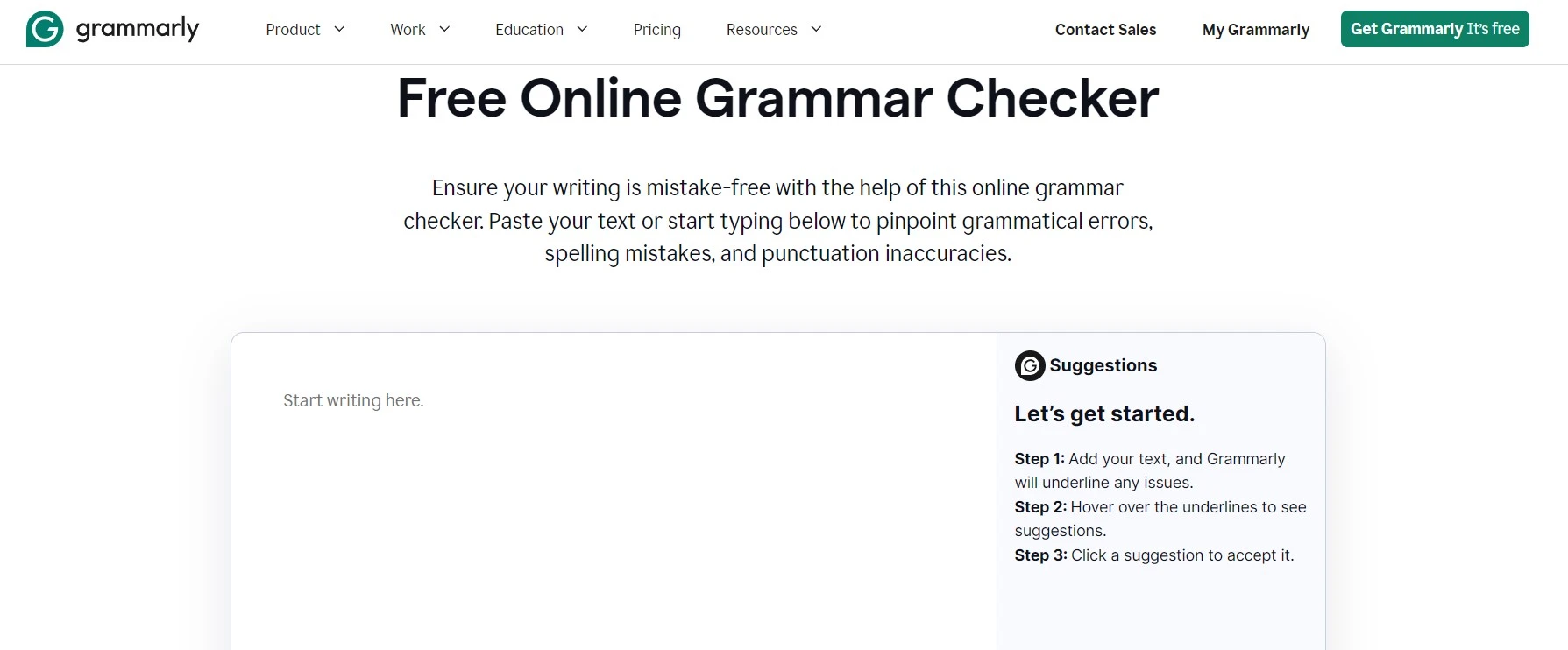
Grammarly earns the top spot for a boring reason: it is always there. Browser extension, desktop app, mobile keyboard, Google Docs, Gmail, Slack. You do not have to remember to use it, which is the only feature that survives a busy week.
The free tier catches spelling, grammar and basic clarity problems. Paid adds full-sentence rewrites, tone adjustment, plagiarism checking and a monthly allowance of AI prompts you can use to draft or shorten a message.
- Real-time corrections in almost any text field
- Tone detector that flags when a reply reads as blunt
- One-click rewrites for clunky sentences
- Team style guides on business plans
Pricing: free tier with 100 AI prompts a month. Paid plans start around $12 a month billed annually, and the exact figure varies by region.
Best for: anyone who writes more than a handful of emails a day. Not ideal for: people who want the message written for them from scratch. Watch out: the browser extension reads what you type, so check your employer policy before installing it on a work machine.
2. MailMaestro, the Flowrite successor
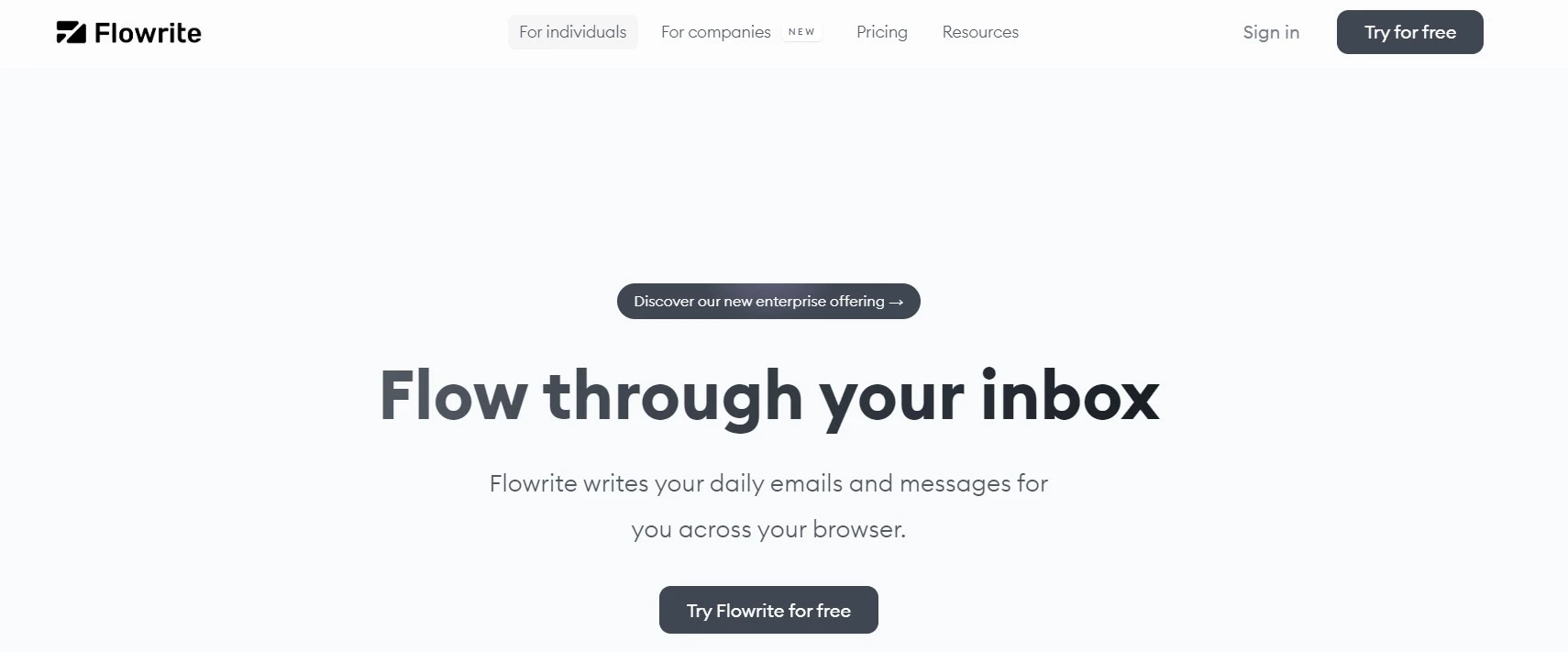
Flowrite was the tool everyone recommended for turning bullet points into a finished email. The standalone product is discontinued. Its team and its core trick both moved into MailMaestro, which sits inside Gmail and Outlook and does the same job with more inbox awareness.
You type something like decline the meeting, offer Thursday instead, keep it warm, and it produces a send-ready draft. It also summarises long threads and attachments, which matters more than the drafting once your inbox gets ugly.
- Instruction to full draft, inside your existing mail client
- Thread and attachment summaries
- Tone presets and reusable templates
- Team template sharing on the Team plan
Pricing: free plan capped at three AI requests a week. Professional and Team run $15 a month, or $12 a month billed annually, after a 14-day full-feature trial.
Best for: sales, recruiting and support inboxes where the volume is the problem. Not ideal for: anyone outside Gmail or Outlook. Watch out: three requests a week on the free plan is a demo, not a plan.
3. ProWritingAid, for the emails that really matter
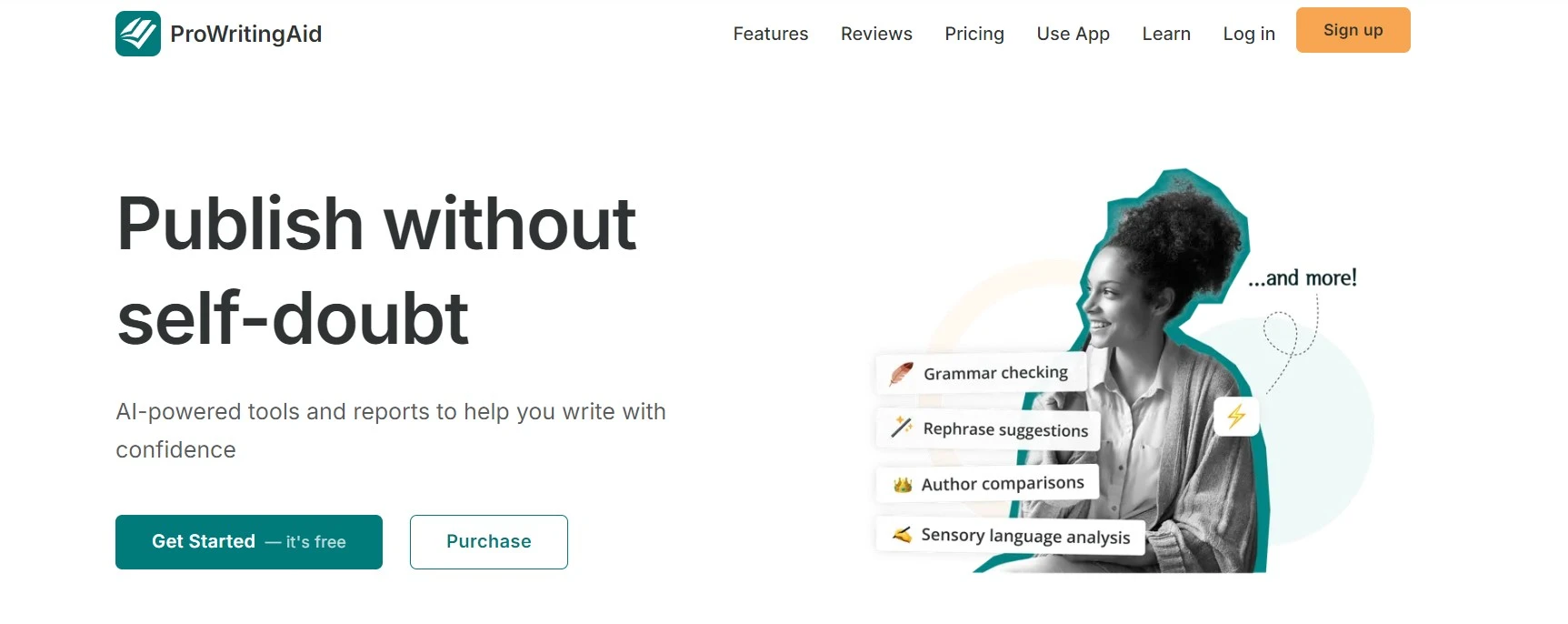
Where Grammarly nudges, ProWritingAid audits. It runs more than twenty-five reports on a piece of text: sticky sentences, overused words, pacing, readability, echoes, transitions. For a routine reply that is overkill. For a proposal, a pitch, or the email you rewrite four times, it is the better tool.
- 25+ analysis reports, not just error flags
- Explains why a sentence is weak, so you learn
- Browser extension plus desktop and Word integrations
- One-off lifetime licence available
Pricing: free tier limited to 500 words and two report runs a day. Premium is $30 a month, or $120 a year, and a lifetime Premium licence is $399. That lifetime option pays for itself in a little over three years.
Best for: writers, consultants and anyone whose emails are effectively documents. Not ideal for: quick inbox triage, where the reports are noise.
4. Hemingway Editor, the free ruthlessness test
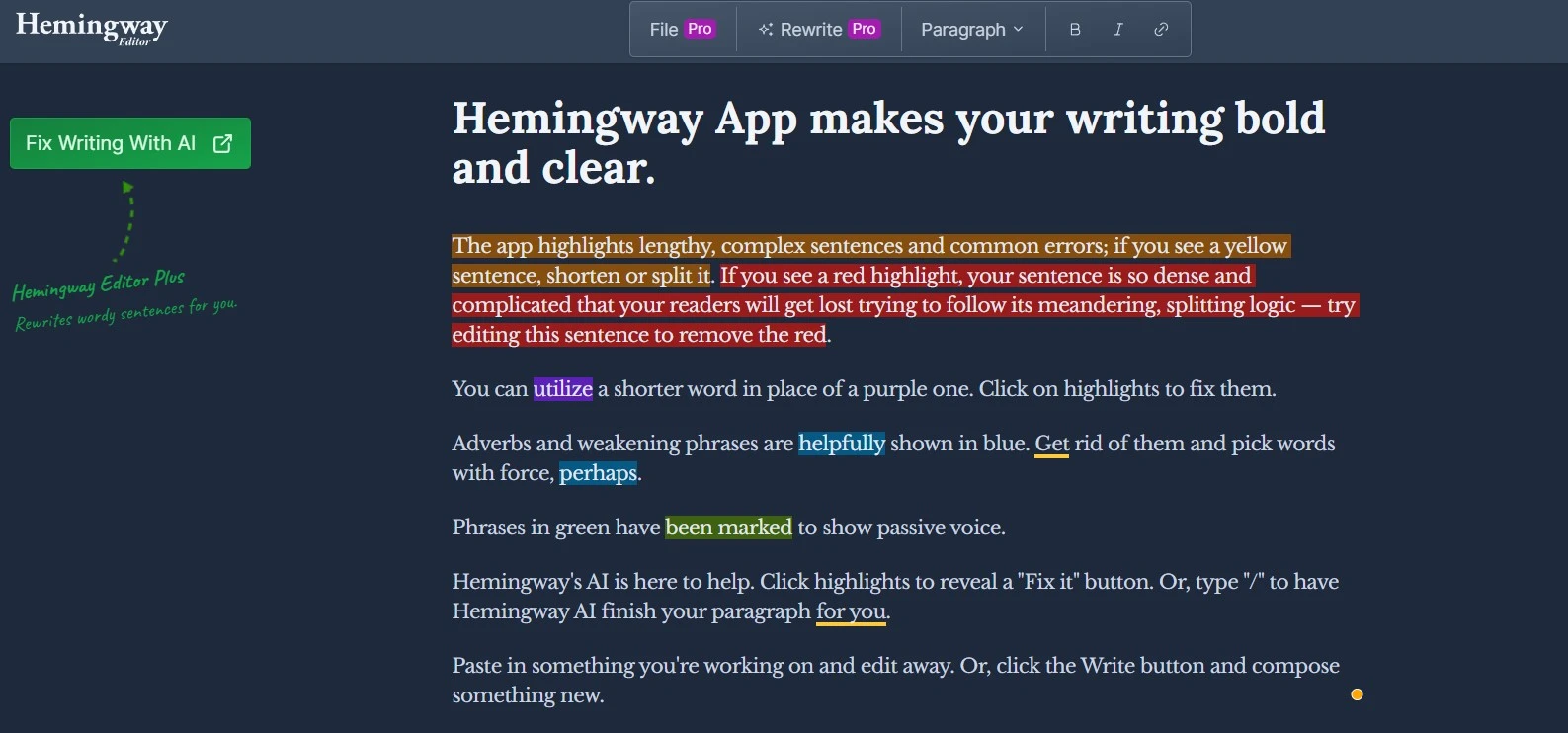
Paste your draft in, and Hemingway highlights every sentence that is hard to read, every passive construction, every adverb you did not need. Then it gives the whole thing a school reading grade.
Aim for grade 6 to 8 on a business email. Most first drafts land around grade 12, which is exactly why nobody replies to them.
Pricing: the web editor is free and needs no account. Hemingway Editor Plus adds AI rewriting on a paid subscription with a two-week trial.
Best for: people whose emails are too long rather than too sloppy. Not ideal for: grammar checking, which it barely does.
5. Gmail Smart Compose and Gemini, already in your inbox
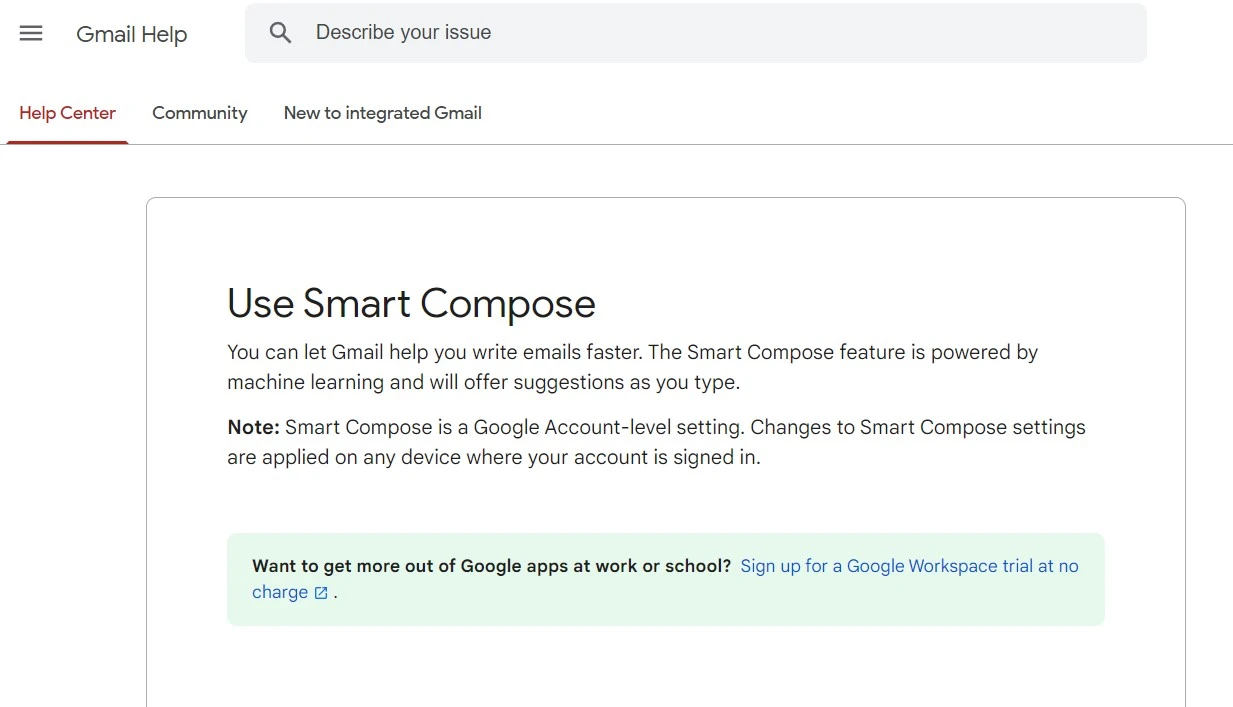
Smart Compose finishes your sentences as you type. It is unglamorous and it costs nothing, and over a working week it saves more keystrokes than any AI tool you will pay for. Google has since layered Gemini drafting on top for Workspace accounts.
The suggestions are conservative by design, so it will never write anything memorable. That is the point. If you want a full AI draft without another subscription, our guide to writing emails using ChatGPT covers the free route.
Pricing: included with Gmail. Gemini drafting depends on your Workspace plan.
Best for: everyone, since you already have it. Not ideal for: anything that needs a voice of its own.
6. Crystal, when who you are writing to matters
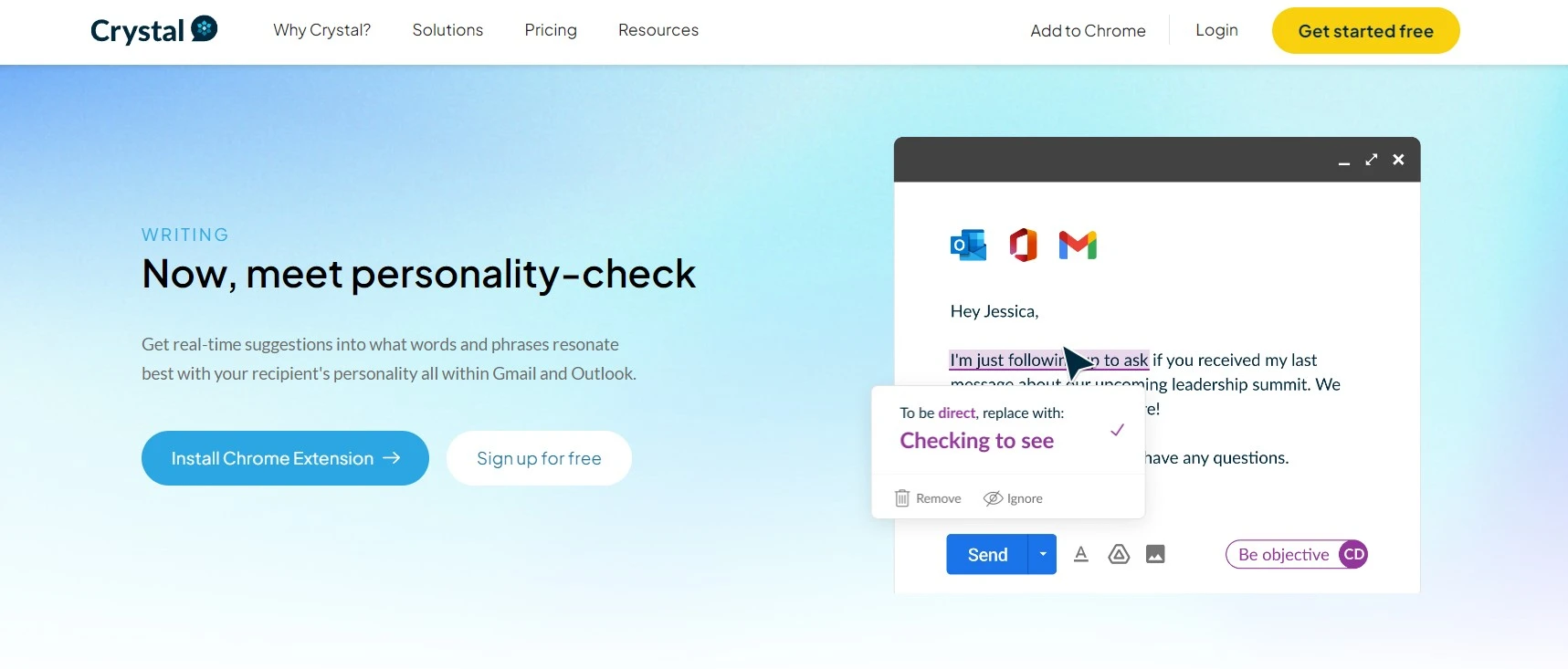
Crystal reads public data about your recipient, maps them to a DISC personality type, and tells you how to pitch: get to the point with a Dominant type, warm up first with a Steady one. It sounds like astrology for salespeople. In practice the advice is basic but usually sensible.
Pricing: a free profile with ten lifetime Chrome previews. Crystal Premium is $49 a month, and the Sales tiers run $59 to $199 a month.
Best for: outbound sales and recruiting. Not ideal for: internal email, where guessing your colleague from LinkedIn is faster done by talking to them. Watch out: the free tier is a taster, and $49 a month is a lot for tone advice.
7. SubjectLine, the two-minute open-rate check
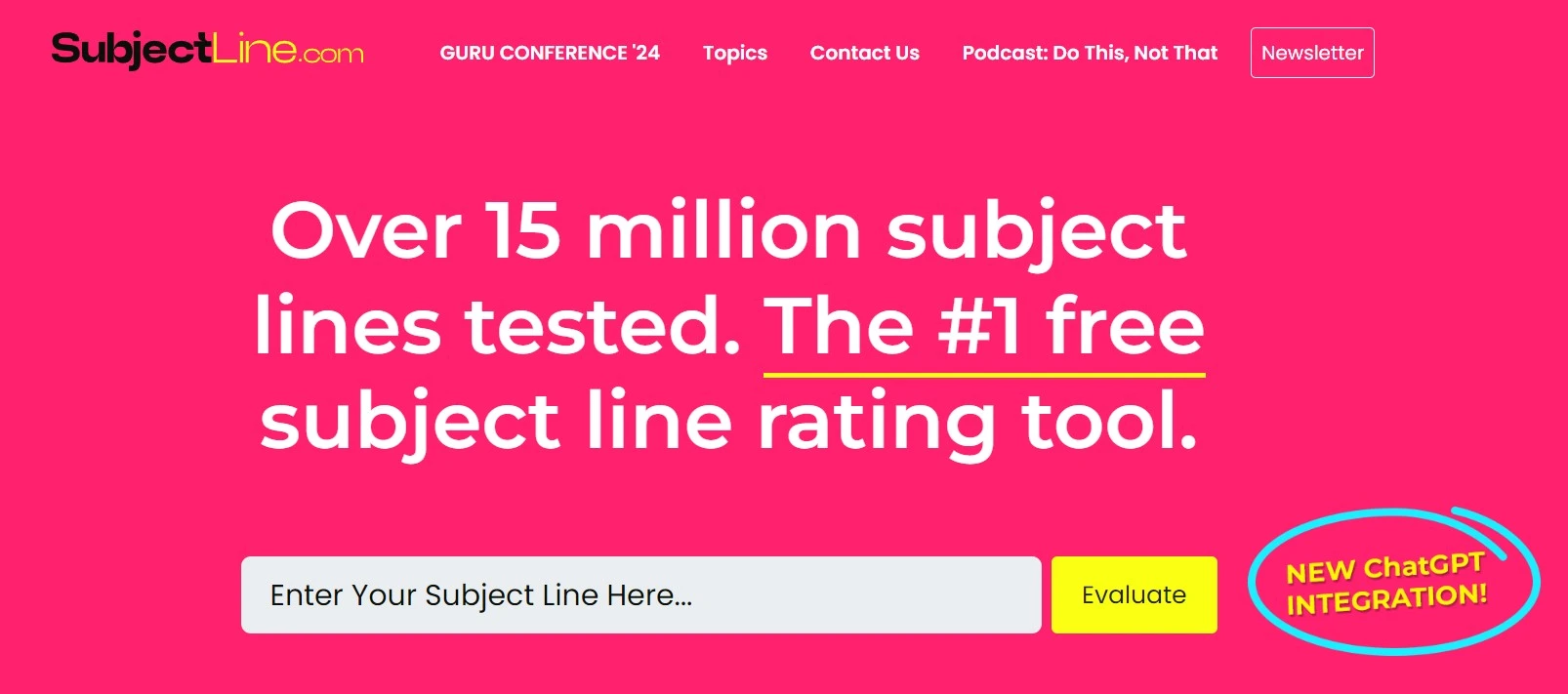
One box, one score. Paste a subject line and SubjectLine grades it, flagging length problems, shouty capitals and spam-trigger words. It is free, it takes ten seconds, and the subject line decides whether the email you agonised over gets opened at all.
Best for: newsletters and cold outreach. Not ideal for: replies, where the subject is already set.
Side by side
| Feature | ||||
|---|---|---|---|---|
| Writes a draft for you | Yes | Yes(winner for this row) | No | No |
| Grammar and spelling | Yes | No | Yes | No |
| Works outside your mail client | Yes | No | Yes | Yes |
| Readability scoring | Yes | No | Yes | Yes |
| Usable free tier | Yes | No | No | Yes |
| One-time purchase option | No | No | Yes(winner for this row) | No |
| Learning curve | None | Low | Medium | None |
We may earn a commission when you buy through links on this page. This does not affect our reviews.
Mistakes people make with these tools
Stacking three of them. Grammarly and ProWritingAid running in the same text box fight each other and slow your browser down. Pick one live checker.
Accepting every suggestion. These tools sand the edges off writing. Do that to every email and you end up sounding like everybody else, which is its own kind of failure. We have written before about whether AI writing tools are worth it, and the answer there applies here too.
Ignoring the privacy question. Every one of these products sends your draft to a server. If your inbox contains client contracts, medical details or anything under NDA, read the data policy before you install, and check what your employer allows.
Paying before testing. All seven have a free tier or a trial. A fortnight of real use tells you more than any review, including this one.
Frequently Asked Questions
What happened to Flowrite?
Maestro Labs acquired Flowrite in January 2025 and folded it into MailMaestro. The standalone Flowrite app, Chrome extension and website are all retired, and existing users were pointed at MailMaestro. Any list that still recommends Flowrite as a live product has not been updated since 2024.
Is free email writing software good enough?
For most people, yes. Hemingway Editor costs nothing and fixes the most common problem, which is emails that are too long and too convoluted. Add Gmail Smart Compose and the free Grammarly tier and you have covered clarity, grammar and speed without spending anything. Pay only when you notice yourself hitting a specific limit.
Will my recipient know an AI wrote the email?
Often, yes, if you send the raw output. AI drafts default to a padded, over-polite register with phrases like happy to assist and I hope this finds you well. Cut the first sentence, cut the last sentence, and put one specific detail in that only a human would know. That is usually enough.
Does email writing software work with Outlook?
It varies. MailMaestro supports Outlook and Gmail directly. Grammarly works in the Outlook web client and through its Windows desktop app. ProWritingAid has a Microsoft Word add-in but is weaker inside Outlook. If you live in the Outlook desktop client, check the integration list before you subscribe.
Can these tools write cold sales emails that actually convert?
They can write the words. They cannot do the research, and research is what makes cold email work. Crystal helps with tone, MailMaestro handles volume, but the reply rate comes from a specific, verifiable reason you are contacting that person. No tool on this list supplies that.
Are grammar checkers safe to use on confidential email?
Treat them as third-party processors, because that is what they are. Text you check is transmitted and often retained for a period. Grammarly and ProWritingAid both publish enterprise data terms and offer accounts with tighter retention. For anything genuinely sensitive, use an offline spell checker instead.
How much should I expect to pay?
A realistic budget is $10 to $15 a month for one paid tool. Grammarly and MailMaestro both land near $12 a month on annual billing. ProWritingAid is $120 a year, or $399 once for a lifetime licence, which is the cheapest long-run option if you are certain you will keep using it.
Our recommendation
Install Grammarly first. It is the piece of email writing software you will still have running in a year, and the free tier is enough to judge it.
If your problem is volume rather than polish, add MailMaestro and let it draft while you edit. Writing proposals and long client updates? ProWritingAid on the lifetime licence is the better spend. Broke? Hemingway plus Smart Compose, and put the saved money somewhere useful.
One warning before you commit: run any tool on your own inbox for two weeks before you pay annually. Half the tools on lists like this one were dead within two years, and an annual subscription to a discontinued product refunds slowly, if at all.
Prices and product status checked July 2026 against each vendor site.